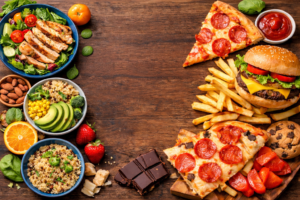
Most diets don’t fail because people lack willpower. They fail because the approach itself is usually unrealistic, overly restrictive, and not designed for long-term living. That’s why so many people lose weight temporarily—then regain it all later, sometimes even more.
The real question isn’t “What diet works fastest?”
It’s “What can you actually maintain for life?”
In this article, we’ll break down why most diets fail and what actually works long-term based on behavior, nutrition science, and sustainable habits.
The Real Reason Most Diets Fail
1. Extreme Restrictions Are Not Sustainable
Most diets start with strict rules:
- No carbs
- No sugar
- No snacks
- Very low calories
While this can create fast short-term results, it also creates burnout.
When the brain feels deprived, it increases cravings and makes food more mentally “rewarding,” which often leads to overeating later.
2. Diets Ignore Real Life
Life is unpredictable:
- Social events
- Stressful workdays
- Travel
- Family meals
Rigid diets don’t adapt to these situations. So the moment real life happens, the diet breaks.
3. “All or Nothing” Thinking
Many people fall into a cycle:
- “I ate something unhealthy → I failed → I’ll restart Monday”
This mindset is one of the biggest reasons diets don’t stick. One meal doesn’t ruin progress, but this thinking often leads to quitting entirely.
4. Short-Term Focus Instead of Lifestyle Change
Diets often focus on:
- Rapid weight loss
- Short challenges (7-day, 30-day, etc.)
But once the “diet ends,” old habits return. Without a permanent change in behavior, weight regain is almost inevitable.
5. Metabolic Adaptation and Hunger
When calories are reduced too aggressively:
- Hunger increases
- Energy drops
- NEAT (daily movement) decreases
The body naturally fights back against extreme restriction, making long-term adherence difficult.
What Actually Works Long-Term
Instead of dieting, successful long-term health is built on sustainable habits.
1. Focus on a Balanced Eating Pattern
Instead of cutting entire food groups, aim for balance:
- Protein for fullness and muscle maintenance
- Carbohydrates for energy
- Healthy fats for hormones and satiety
- Fiber for digestion and appetite control
This creates stability instead of restriction.
2. Prioritize High-Protein Meals
Eating enough protein helps control hunger and reduce cravings throughout the day.
Foods like Chicken breast, Eggs, and Greek yogurt naturally increase fullness and reduce overeating without forcing restriction.
3. Build “Flexible Consistency”
Long-term success is not about perfection—it’s about consistency with flexibility.
That means:
- Eating well 80–90% of the time
- Enjoying treats without guilt
- Getting back on track immediately after off-plan meals
This prevents burnout and supports sustainability.
4. Eat More Whole Foods
Whole foods naturally regulate appetite better than processed foods.
Examples include:
- Vegetables
- Fruits
- Lean proteins
- Whole grains
Foods like Quinoa and Lentils provide fiber and protein together, helping you stay full longer without tracking every calorie.
5. Don’t Rely on Motivation
Motivation is temporary. Systems are permanent.
Instead of relying on willpower, build systems like:
- Meal prepping simple meals
- Keeping healthy snacks available
- Having a default breakfast/lunch routine
6. Focus on Habits, Not Outcomes
Instead of obsessing over the scale:
- Track habits (protein intake, steps, water)
- Focus on weekly consistency
- Measure energy, mood, and strength
Weight loss becomes a natural result of good habits—not the main focus.
7. Allow Food Freedom Without Guilt
One of the biggest breakthroughs in sustainable eating is removing guilt from food.
No food is “bad.” Some foods are just:
- More nutrient-dense
- More energy-dense
- More filling
This mindset prevents binge-restrict cycles.
Common Diet Mistakes to Avoid
- Cutting calories too aggressively
- Eliminating entire food groups
- Skipping meals regularly
- Following unsustainable “challenge diets”
- Comparing your diet to others
What a Sustainable Diet Actually Looks Like
A long-term successful eating pattern usually includes:
- Mostly whole foods
- Adequate protein
- Occasional treats
- Flexible meal structure
- No strict rules that cause stress
It doesn’t feel like a “diet”—it feels normal.
Final Thoughts
Most diets fail because they are designed for short-term results, not real life. The solution isn’t another stricter plan—it’s a smarter, more flexible approach.
When you shift from restriction to consistency, you stop “dieting” and start building a lifestyle that actually lasts.
That’s what leads to long-term health, stable weight, and a better relationship with food.